63 •••••• What the hell am I doing? I’m a Photographer, not a ……
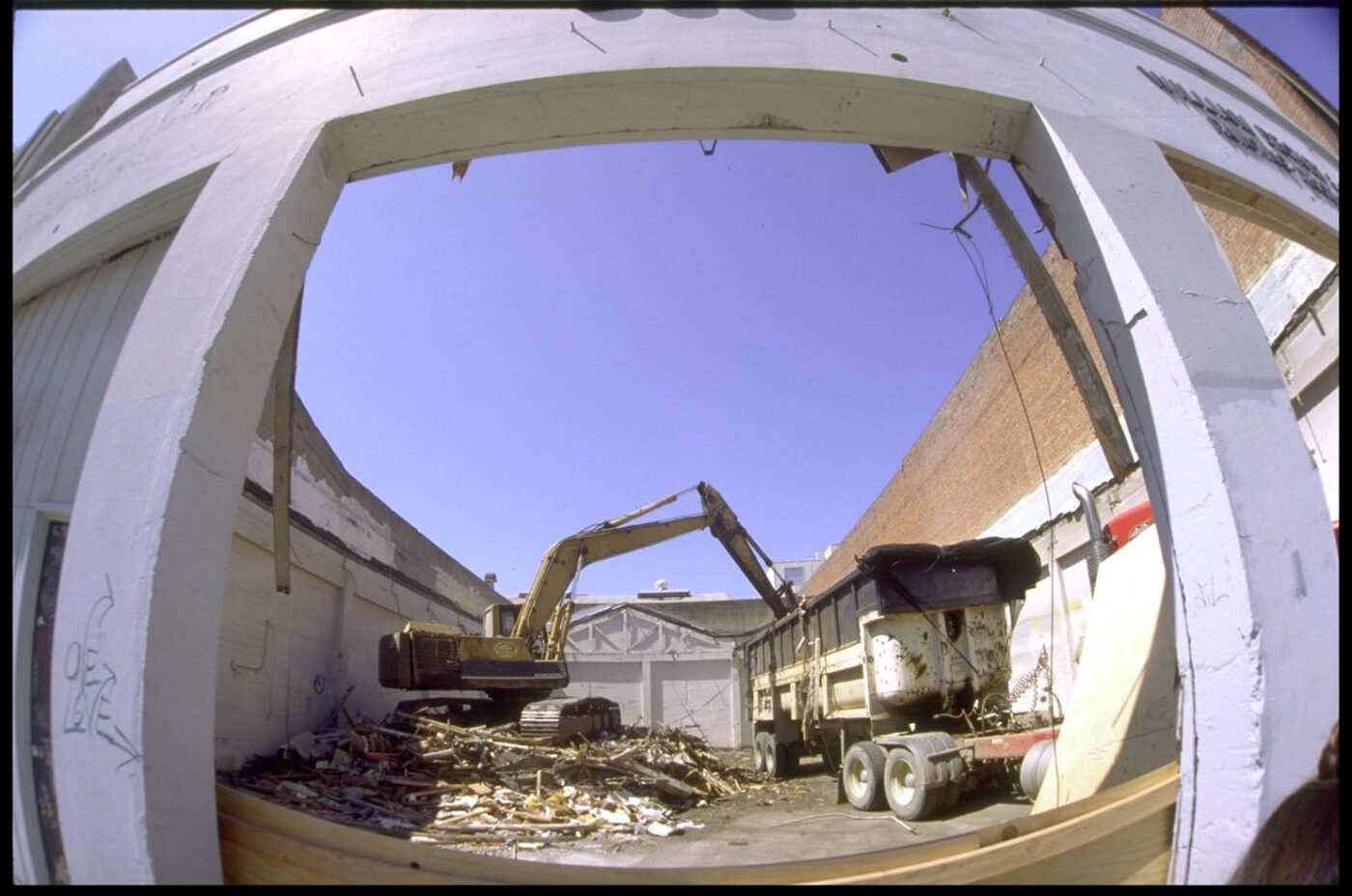
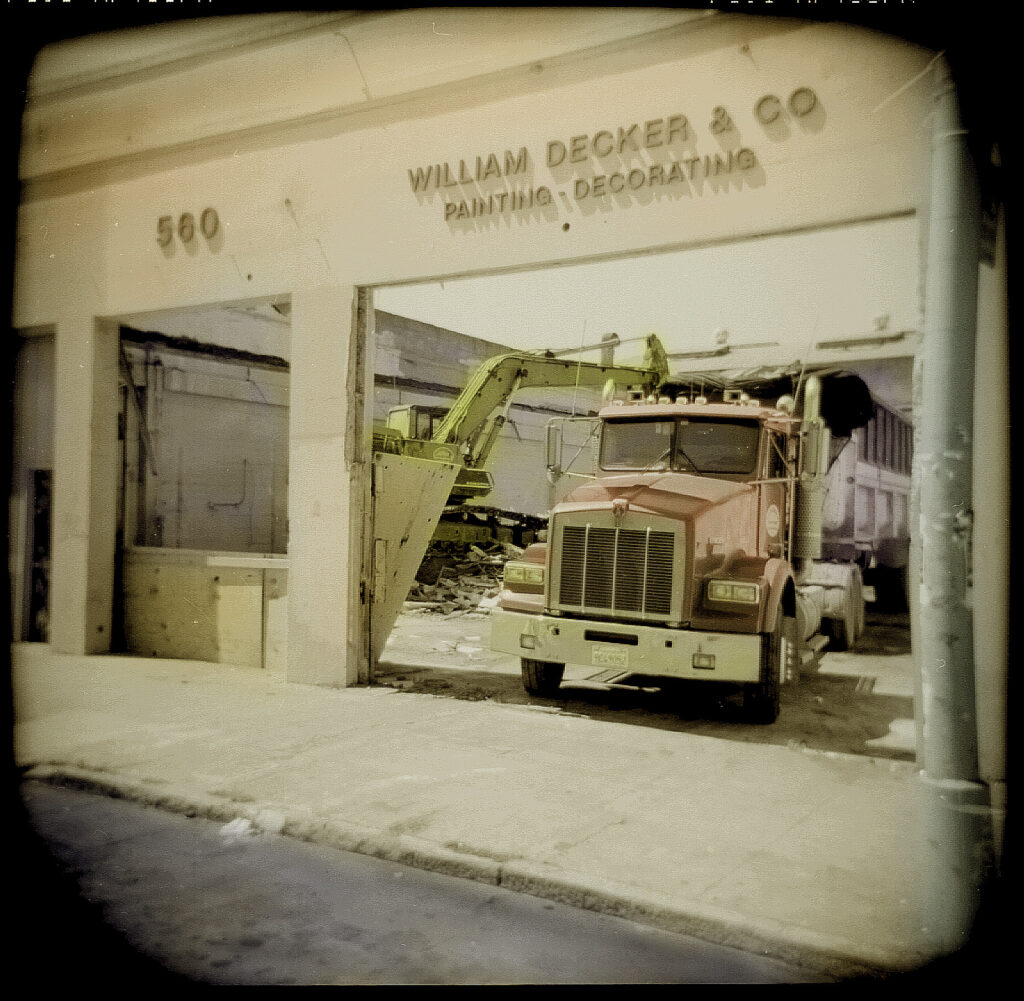
It was about ten o’clock on a Saturday morning in late 1999. I was still a young man, and I stood on a sidewalk in the SOMA area of San Francisco, watching a bulldozer and a crane tear apart a building I had recently bought. The cracking of old timbers and the thunderous collapse of the roof brought one thought sharply into focus:
What the hell am I doing?
I was a photographer, not a developer, contractor, architect, demolition expert, or construction manager. Yet there I stood, watching the structure I had risked my home, career, and life savings to acquire being torn apart before my eyes. But I had a vision.
At the time, I was searching for a new photography studio because the landlord of my studio in Palo Alto had tripled the rent. After spending a substantial amount of my own money remodeling that space, I had to leave.
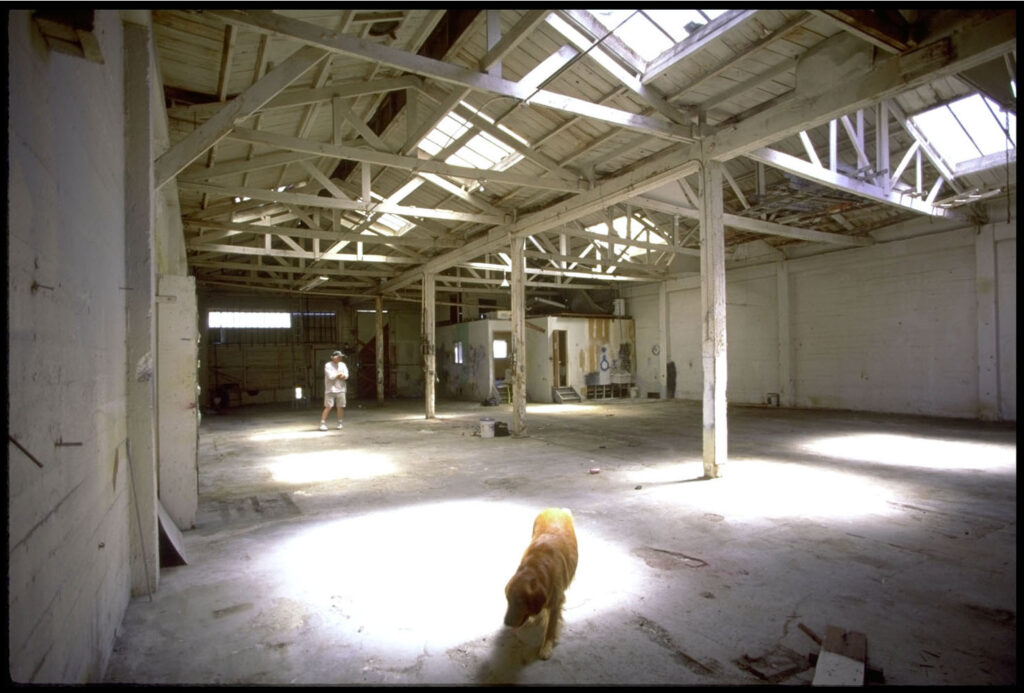
The truth was, I didn’t even want this building. It had dry rot in the beams running across the structure. The ceilings were too low. Cracks ran through several of the columns supporting the roof. It had been used as a paint warehouse and had not been particularly well maintained. To make matters worse, it was not located on the best side of town. For all those reasons, I submitted a bid considerably lower than what I believed the building might actually be worth. Also, the other building that I was far more interested in was larger, closer to home and required much less work. In my mind, that was the building I wanted. But The location of the old paint warehouse was extraordinary.
It was only a block from the best photographic lab in town, about a block and a half from the train station, and less than a block from a freeway exit. Many other photographers were already working in the surrounding area. So I decided to put in a low bid. For some bizarre reason, despite receiving numerous offers, the owners chose mine. I had to take out a loan against my house, empty my savings, and secure an SBA loan to purchase the building and prepare for what would become a massive renovation.
If you know me at all, you will probably believe this next part.
Even though I didn’t particularly want the building, and preferred another property, I had already drawn complete plans showing exactly how I could transform it into the studio I wanted. Before I even submitted my bid, I had sketched out the entire layout to determine whether I could make the building work. And when I say complete plans, I mean complete plans. I drew new walls, a new kitchen, new bathrooms, and nearly everything else. I planned the placement of the electrical outlets and telephone connections. I could transform this neglected warehouse into a beautiful professional photography studio with higher ceilings, graceful coved walls, and the darkroom I had always wanted. I envisioned a complete 8-by-10 processing lab and a space designed specifically around the way I worked. I knew where I wanted the equipment, work areas, offices, and studio spaces. In my mind, I could already walk through the finished building.
To move the project through the approval process, I had to hire an architect. That was an entirely different experience. Working with architects can be worse than working with musicians. No offense to all my musician friends. But architects will change their mind and totally draw different plans, without any discussion. Then want to be paid for work that you didn’t ask for and don’t want.
People say ignorance is bliss. In my case, that was absolutely true.
My vision did not include dealing with the city, navigating endless regulations, managing construction costs, completing mountains of paperwork, or surviving the bureaucracy. It did not include the physical labor, or the countless hours spent driving to the building after finishing a long, exhausting day of work.
I had no idea how much energy, time, and life could be consumed by remodeling a commercial building.
Now, whenever I look at a building and imagine what it could become, my vision includes everything required to make that transformation happen: permits, contractors, costs, paperwork, delays, labor, and endless unexpected problems. Usually, that is enough to stop me from moving forward. Except, apparently, in the case of the Marysville building. That building will be beautiful when it is finished.
As I researched the property before completing the purchase, I discovered that the location had a remarkable history.
The first building on the site had been constructed in the 1800s. It survived the great quake and the fire. Beneath the asphalt, traces of the original cobblestone streets could still be found. The building was reportedly one of the first in San Francisco to receive electrical service.
Even more fascinating, the waters of San Francisco Bay once reached to within a block of the building. The property also sat on one of the few areas in San Francisco with solid granite beneath it. That mattered. When the next major earthquake comes, the building should remain standing on stable ground. Many structures only a block or two away were built on landfill that had once been part of the bay. Those areas will be far more vulnerable when the ground begins to move.
By the time the renovation was completed, plans were already underway for the new San Francisco Giants ballpark only a couple blocks away. Then came the dot-com boom. Together, those developments transformed the entire neighborhood. The land beneath the building became dramatically more valuable than it had been when I first purchased it. The studio had already become a fantastic place to work, but the surrounding area was now safer, more convenient, and increasingly desirable.
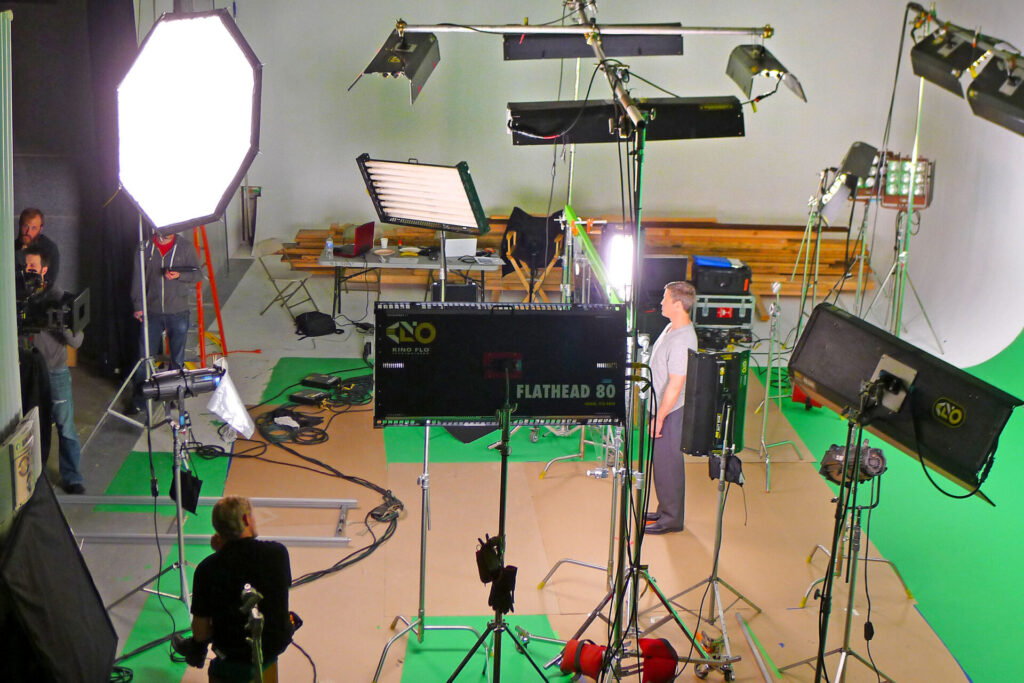
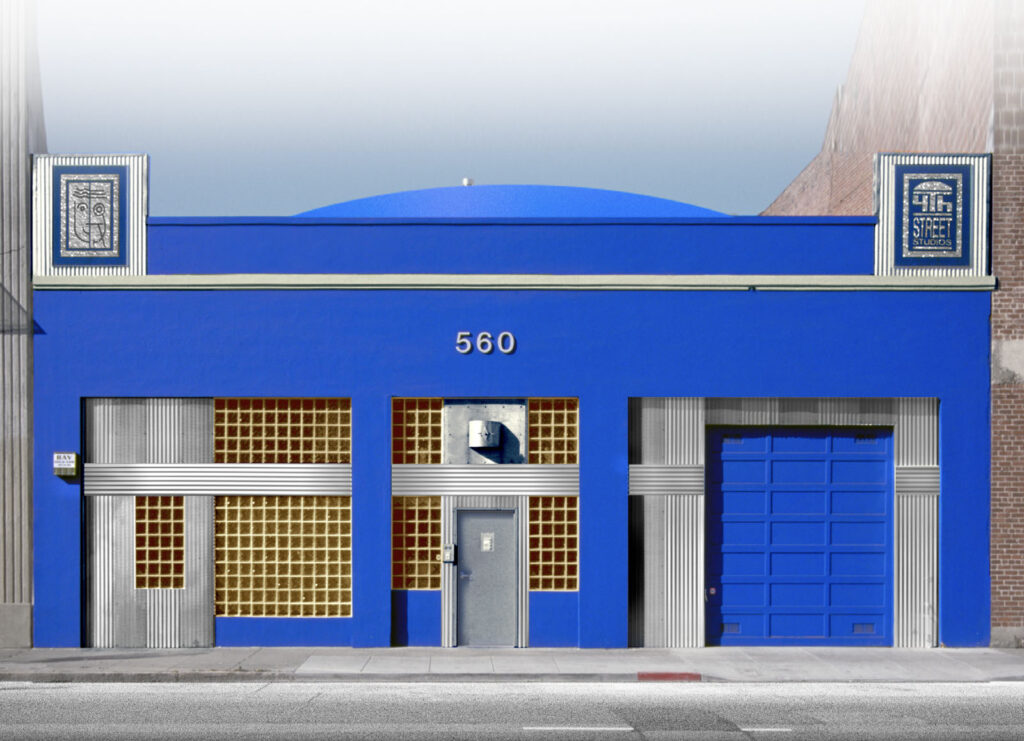
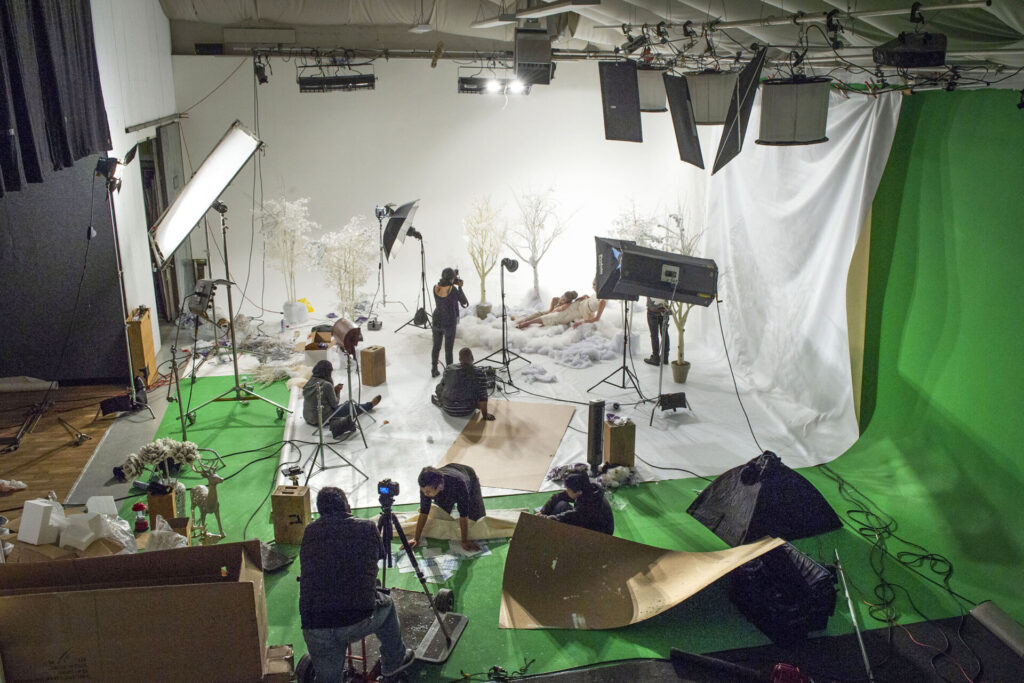
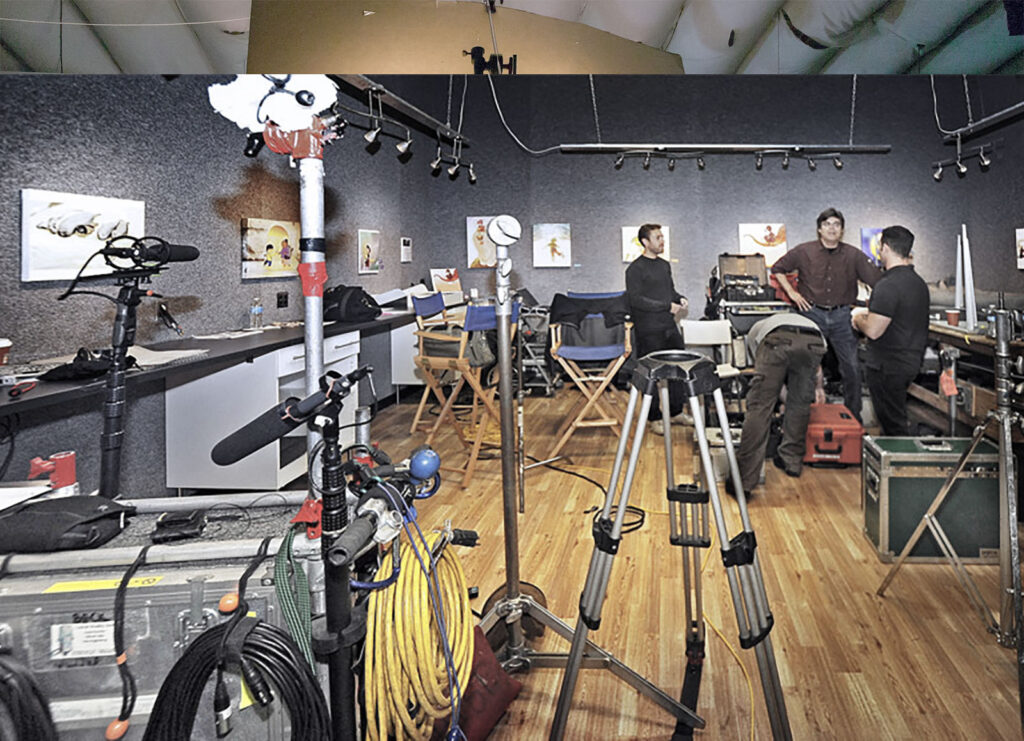
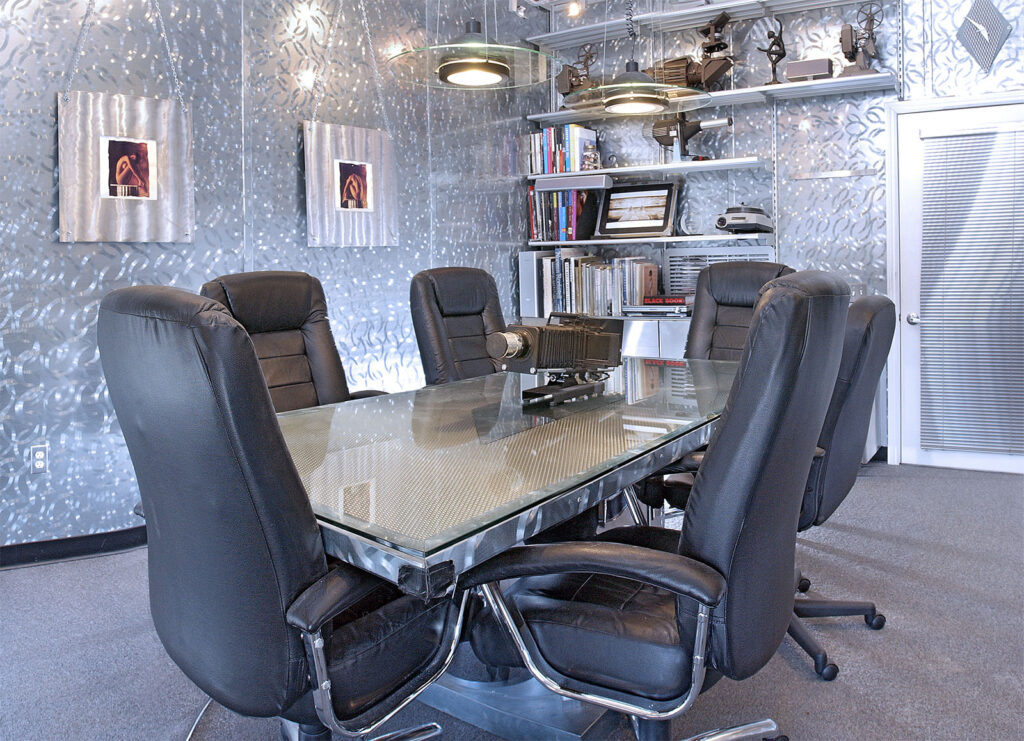
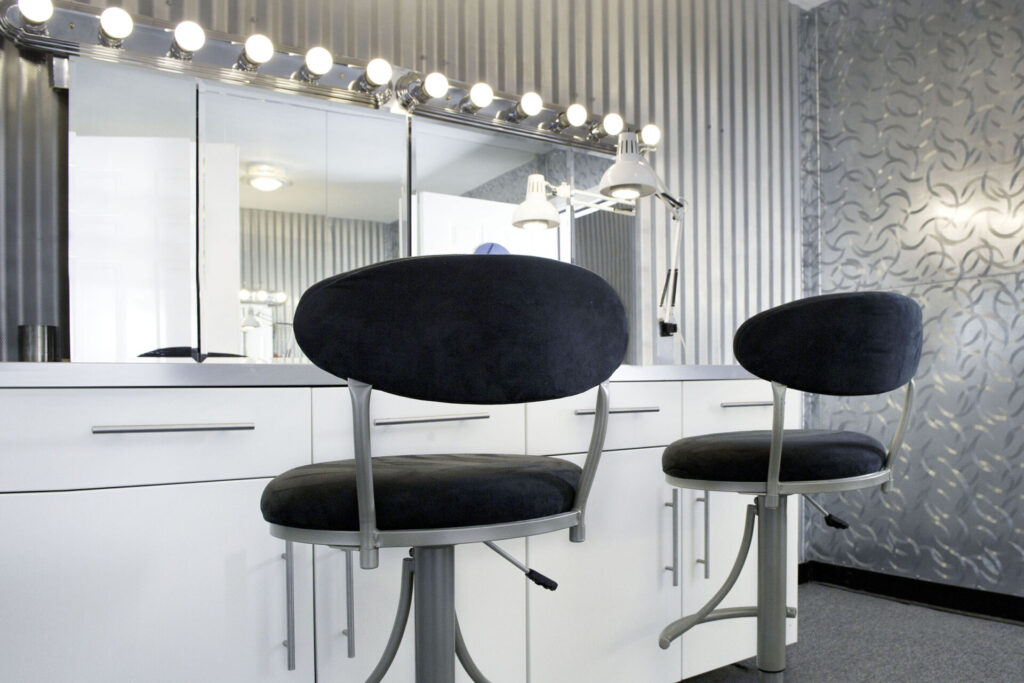
In the end, we created a beautiful photography studio, One that became my professional home for the next twenty years. I made countless memories inside those walls.
Celebrities came through the studio. I worked with talented assistants, exceptional studio managers, creative professionals, and all kinds of interesting and wonderful people. There were challenging days, successful shoots, unexpected adventures, and moments I will never forget. That building became much more than a studio. It became a big part of my life.
Eventually, however, San Francisco changed.
The city’s political climate shifted, and I watched many friends, store owners, shopkeepers, and small-business operators, struggle or closed their businesses entirely. Graffiti became increasingly common. Homelessness and public sanitation problems affected the neighborhood and storefronts. Retail theft became a serious concern for local businesses, often leaving owners feeling that there were no meaningful consequences or protections. Then began the major construction projects in the area. The work disrupted access and made it increasingly difficult to operate a sound proof video studio successfully.
There was another reason I needed to move on.
As a single father, I could no longer justify driving such a long distance and spending so much time away from my children. The building had given me remarkable years, but eventually, life required me to make a different choice. So I moved on.
I miss the studio, the people, the work, the stories, and the memories created inside those walls. I miss what the building represented, and everything it took to turn a neglected paint warehouse into the studio I had imagined.
At the time, all I could think was: What the hell am I doing?
Looking back now, I realize the answer.
I was building a dream.